Isles of Scilly for Birders! October 2025 Trip Report
DAY ONE
For the first time in our Scilly Tours history, the weather got the better of us and delayed our journey to St Mary’s. Storm Amy appeared to be missing us a bit, while battering Scotland and the North West. However, She did manage to whip up the sea and by friday we had a message to say our boat was cancelled until Monday! This meant missing two days of birding! Thankfully the wonderful manager at our hotel allowed us to stay an extra night at the end, so we only missed out on the one full day.
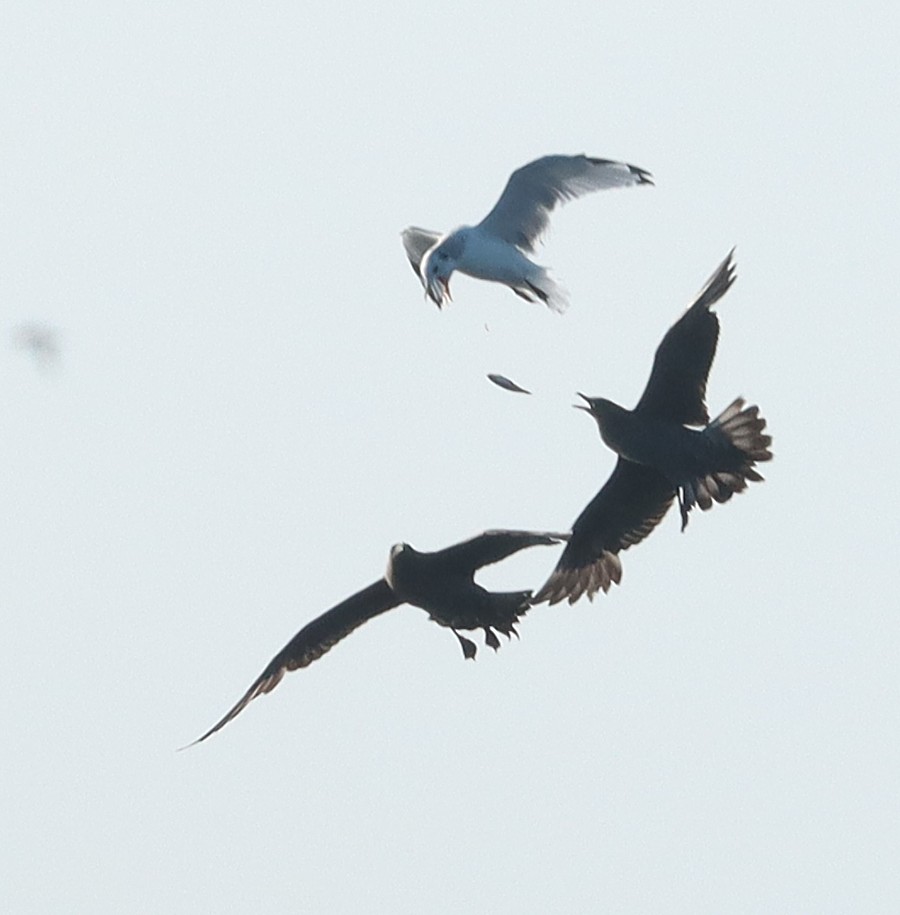
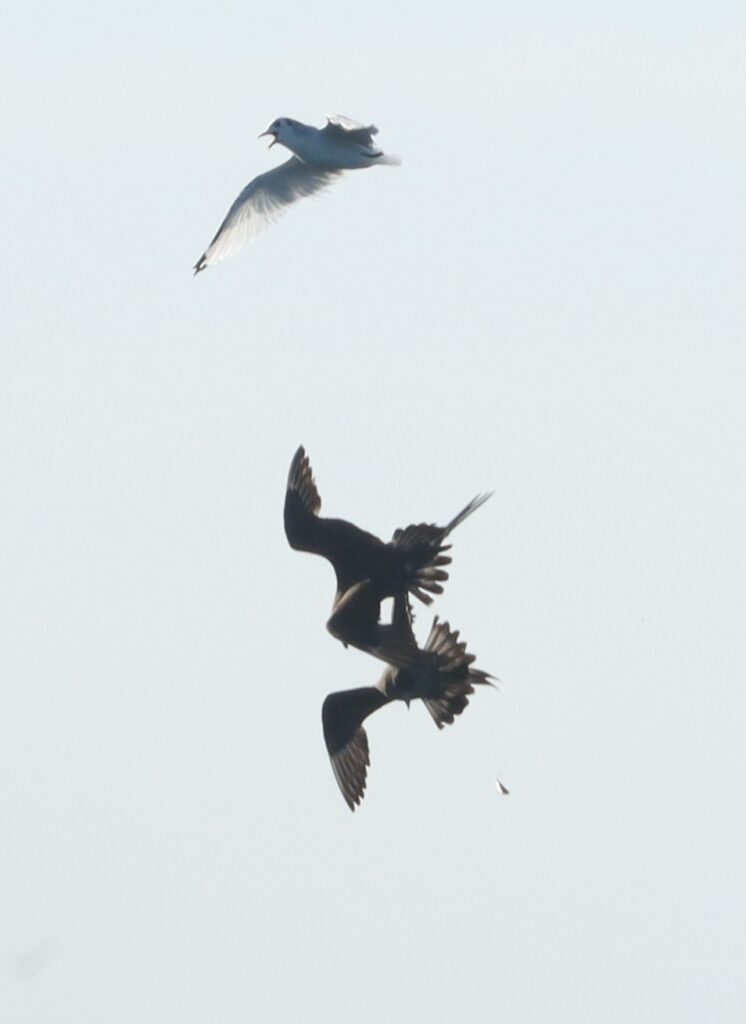
So, our ‘first’ day was Monday. We set sail from Penzance full of hope for another great week on the magical Isles. Before we had even left the shelter of Mounts Bay we were watching ARCTIC SKUAS! First three, then two, harassing a Kittiwake until it regurgitated its fish breakfast! True pirates of the seas. Off Land’s End the sea was a bit choppier and we picked up our first GREAT SHEARWATERS. We manged to see about twenty birds on the crossing, all in Scilly Waters. We also had ten EUROPEAN STORM PETRELS, but these were much harder to pick out. With plenty of bird and dolphin activity to keep us occupied, time flew by and we were soon close to the islands, arriving in the sunshine just before lunch.

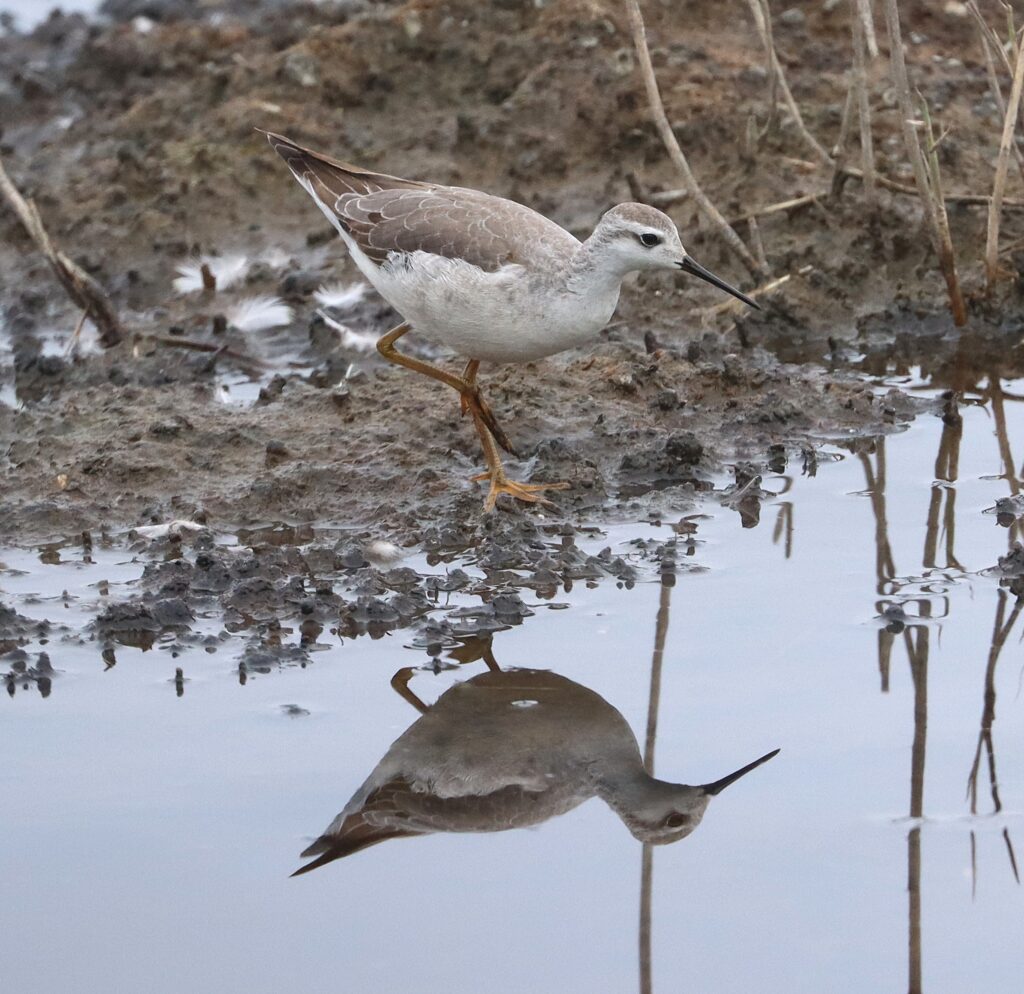
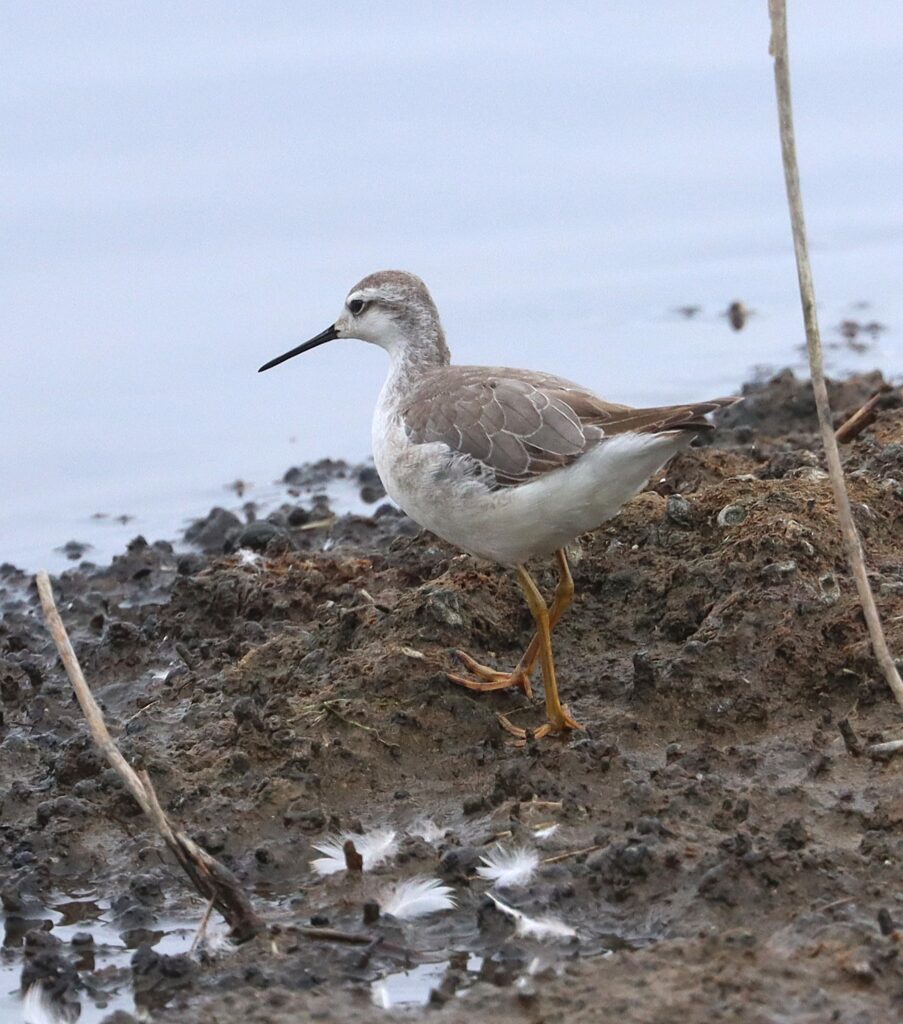
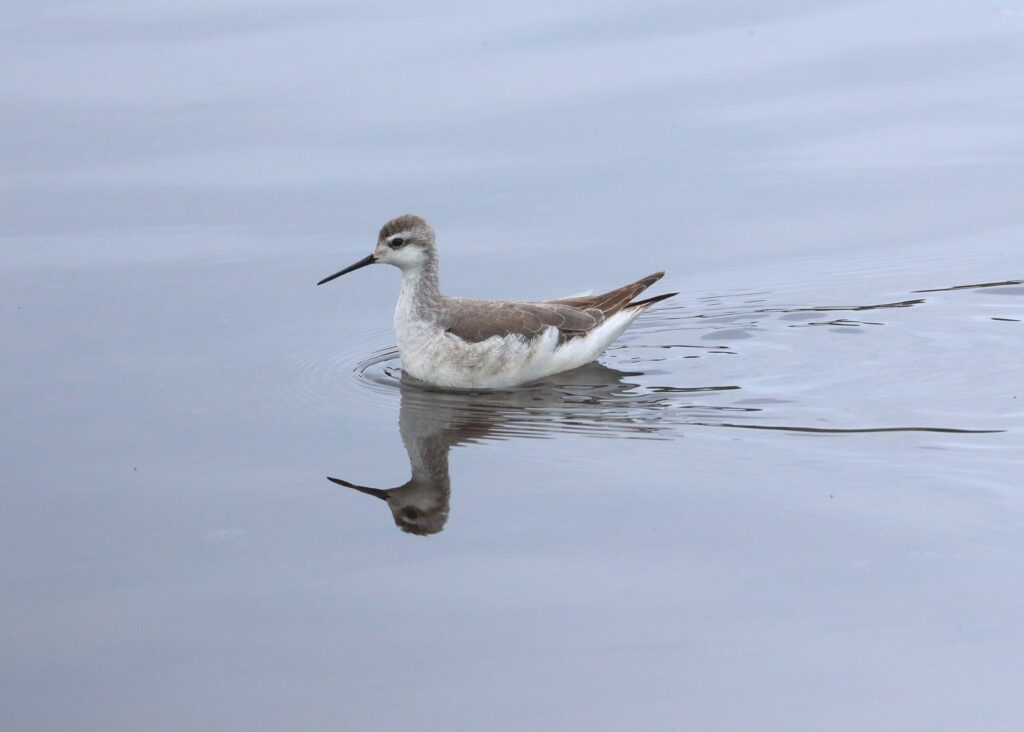
Our guide had already arranged for our bags to be delivered to the hotel, so we could get straight out birding. He also arranged for us to get a taxi straight up to Porthellick Pool which gave us an advantage over the dozens of other arriving birders, so we were first at the hide and soon enjoying incredible views of our first rarity. The WILSON’S PHALAROPE had been in the area for the previous four days and we were hoping it would hang on for us to arrive! Lucky for us, it did and even more so as it disappeared the following day and was not seen again!! The American wader fed amongst the Common Snipe and a few Teal and also a RUFF! A great start to our Scilly adventure.
Salakee Farm, was our next destination as there was a newly openened ‘self-service’ cafe to try out! We were very impressed. Lots of seating, tea or coffee and a home made flap-jack, all for a fiver! A great pit stop, especially if the weather turns bad! But, as is often the case on Scilly, we had to drink up and leave the comfort of our new found drinking hole as news came in of a COMMON ROSEFINCH on the beach nearby. This little brown job proved very elusive and only gave a few seconds viewing on a couple of occasions, allowing some of the group to see it. As we walked back to the hotel via Old Town, three PINK-FOOTED GEESE were reported over the radio and we picked them up flying across the bay towards Peninnis.
DAY TWO
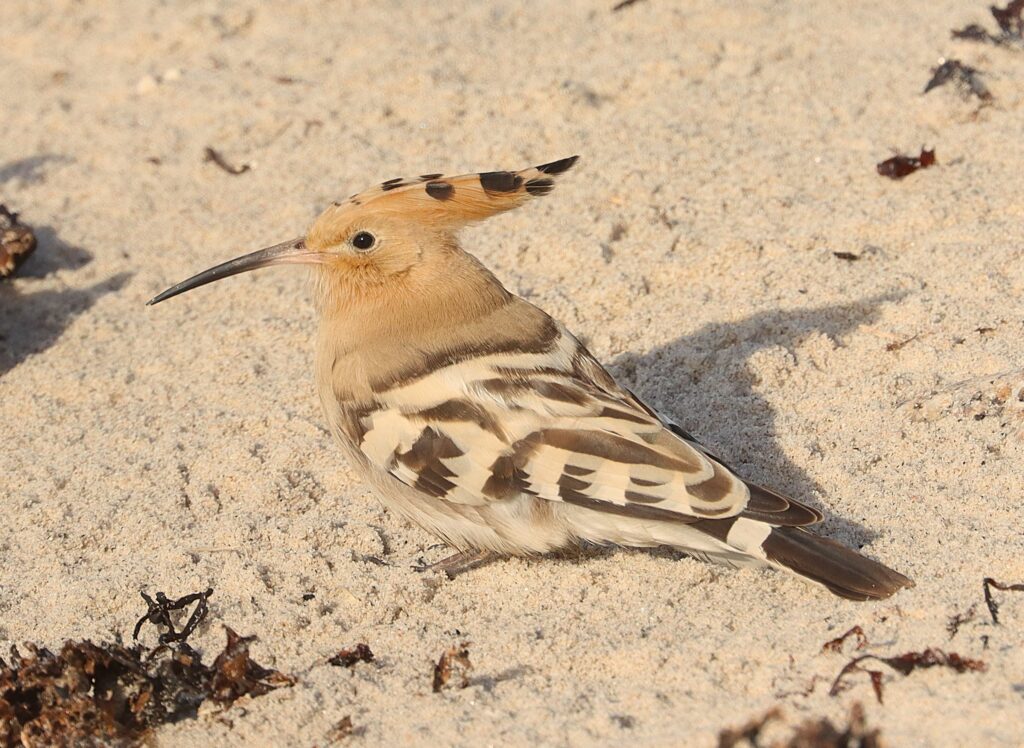
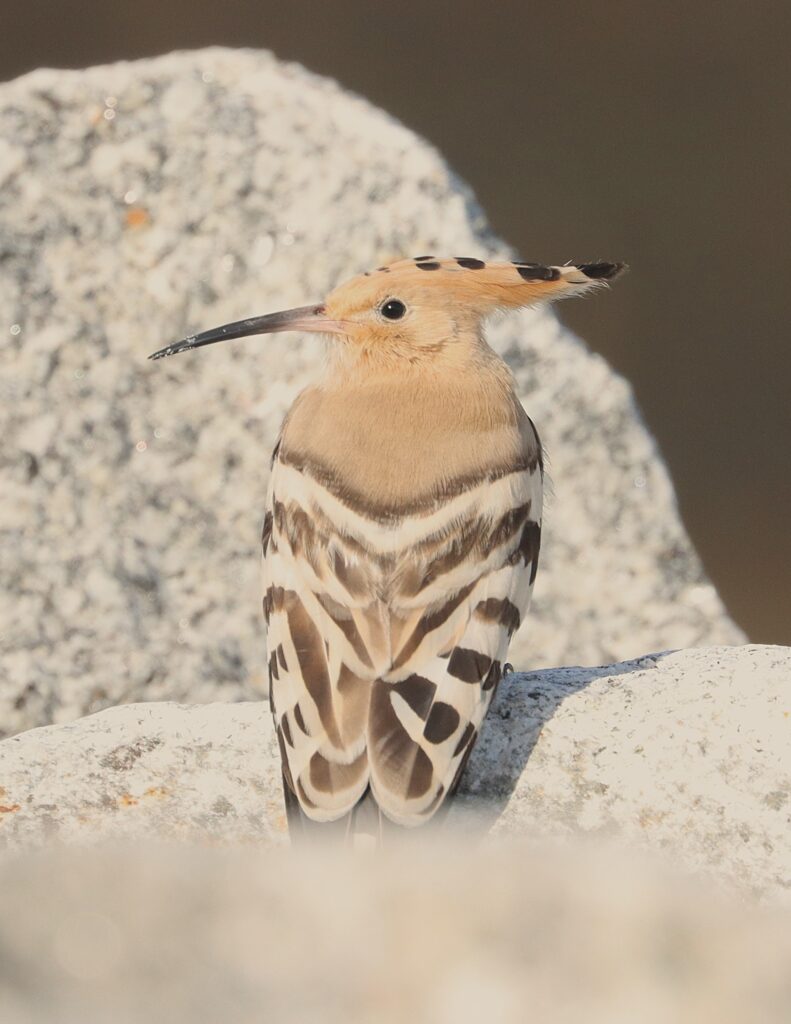
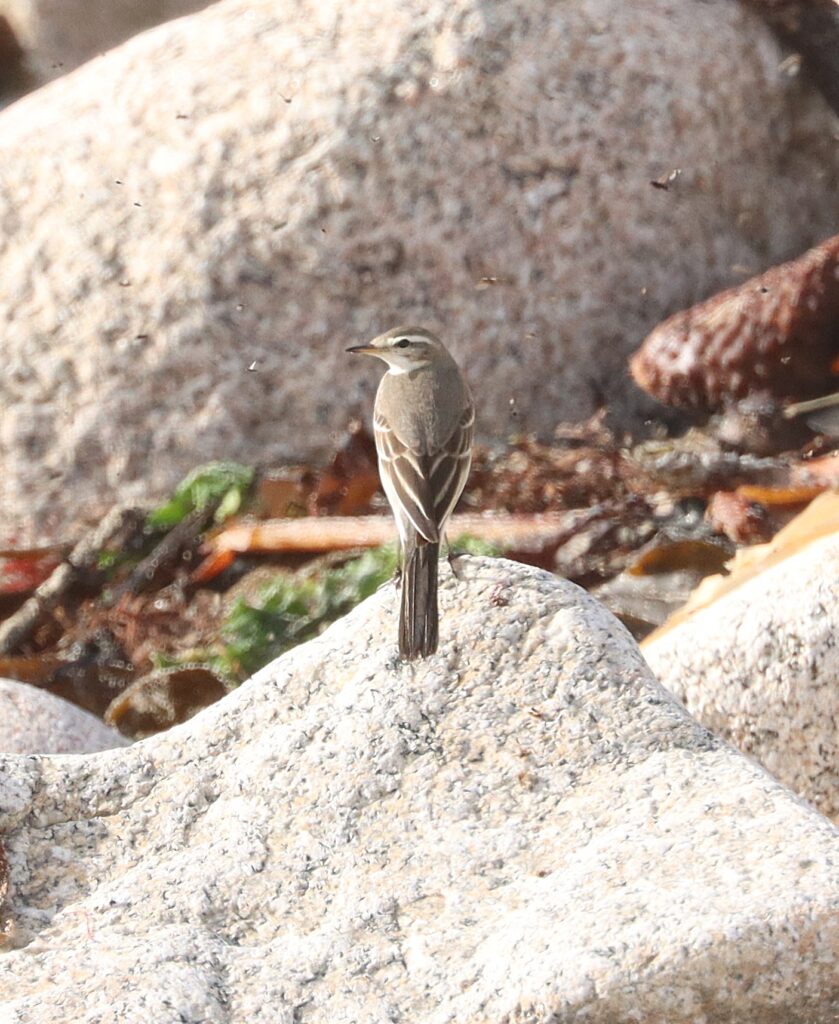
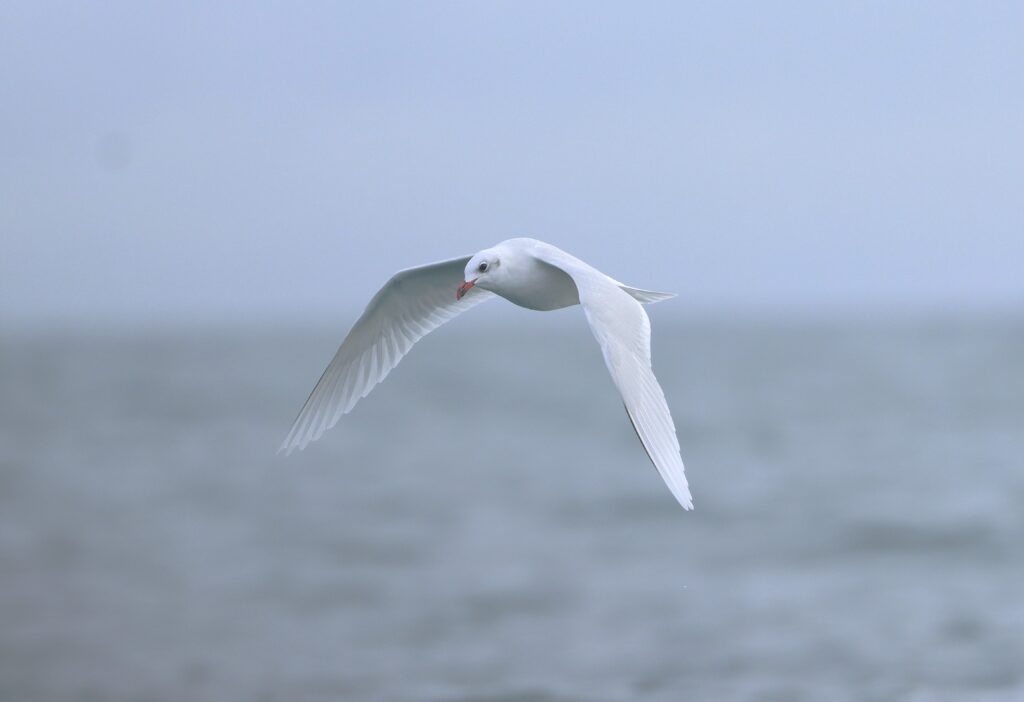
St Agnes the Island of choice for our second day on Scilly and we were first in line for the very busy boat over. As we left Hugh Own Harbour a female COMMON SCOTER circled the boat and settle in The Roads and a few Mediteranean Gulls were seen on the short journey over. A call from one of our group alerted everyone to a MERLIN flying low over the water towards St Mary’s, not something you expect to see from a boat! Periglis Beach was our first destination and we joined the crowd watching the obliging HOOPOE on the beach. A juvenile YELLOW WAGTAIL was also a smart bird here along with plenty of Rock and Meadow Pipit and a few waders including CURLEW SANDPIPER, Sanderlings, Dunlin, Ringed Plover and Oystercatcher.

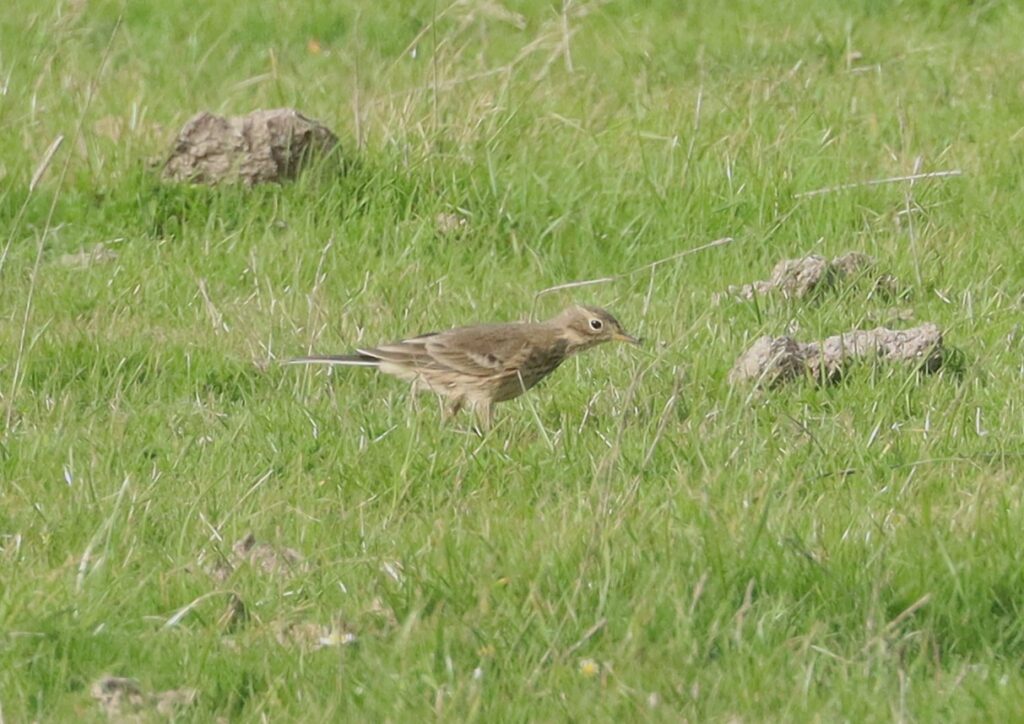
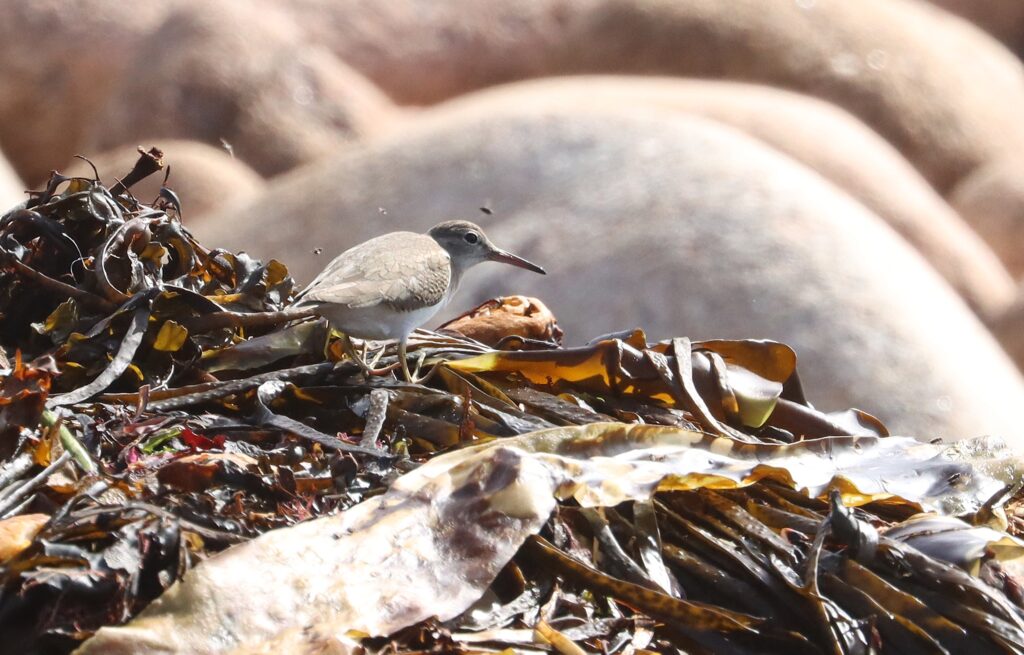
The throng of birders dispersed across the island so we took our time, checking trees and bushes for any birds as we walked towards Warnas Cove. Our target here was the long staying SPOTTED SANDPIPER, which we located quite quickly but it soon disappeared between the rocks. Lunch time was fast approaching so we staked out fields nearby in the hope of seeing the reported AMERICAN PIPIT. It eventually showed well but as we sat having lunch our guide heard a call he recognised and then located a LAPLAND BUNTING which had landed on the track nearby. It gave us a bit of a runaround on Wingletang Down before we managed to get good views. The only other bird of note was a PIED FLYCATCHER that proved a bit elusive in The Parsonage, so we headed for our traditional pint in the Turks Head.
As we had exhuasted all the good birds on the island we decided to catch the 2.30 pm boat back to St Mary’s to do some more birding there before evening meal. However, as we queued for the boat, new broke of a ‘mega’ right there on St Agnes. An American MOURNING DOVE had been photographed at Troy Town Farm. This was only the 9th record for the UK, so some of the group broke of and stomped back across the length of the island to see it. Sadly, depite a three hour wait and search it wasnt seen again that day. We were somewhat consoled with a nice TURTLE DOVE though and a MARSH HARRIER flew over whilst we waited for the boat.
DAY THREE
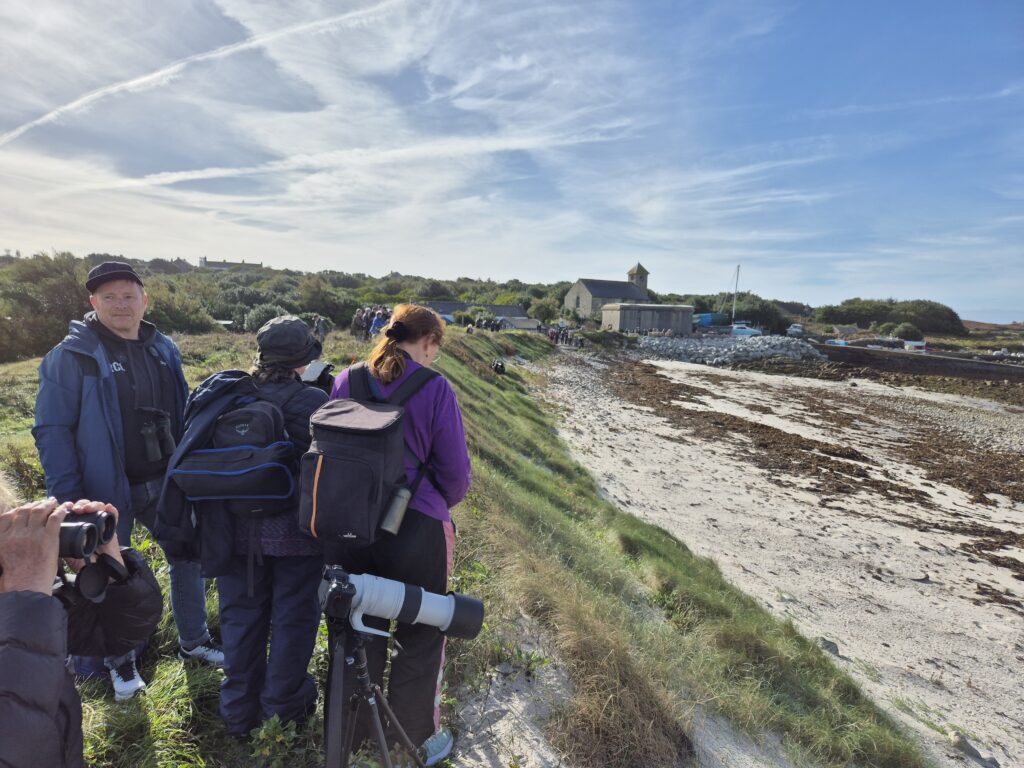
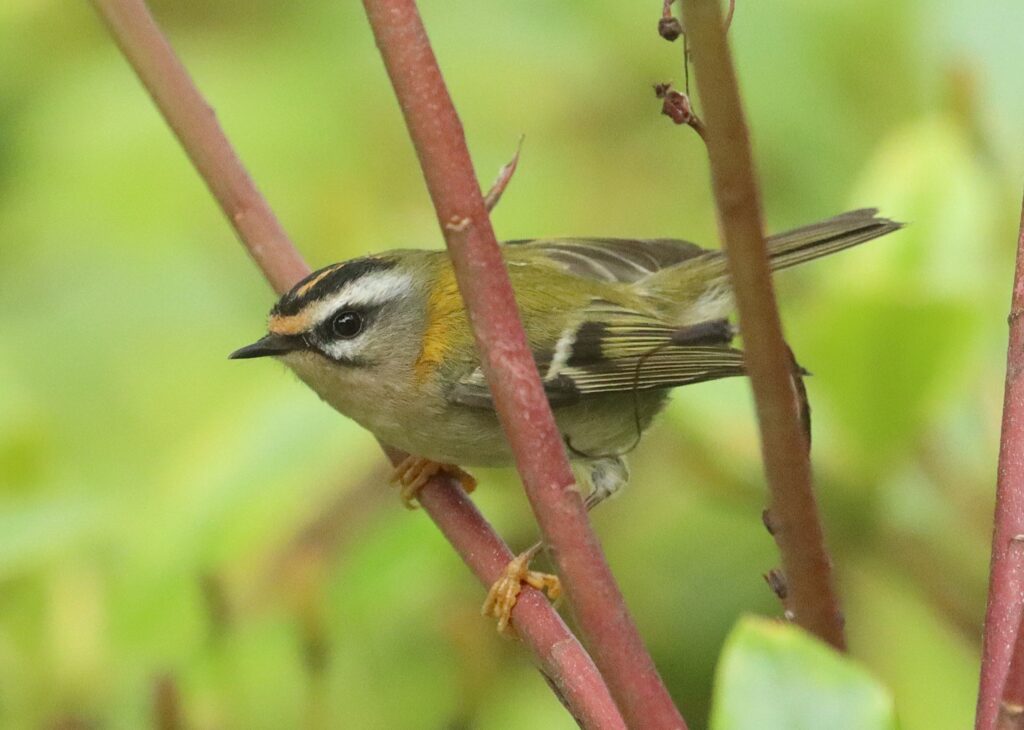
With no current news from St Agnes about the dove it was agreed that we would stay on St Mary’s then if the bird was found again we would head back to St Agnes. We walked from town, up the newly openend Sunnyside Farm trail and down into Carreg Du Gardens but everywhere was very quiet. Whilst we watched three Firecrests in the gardens the radio crackled into life to say the Mourning Dove had been seen again! So, it was in a taxi, down to the quay and on the boat again to St Agnes. Again, it was a friutless excercise as the bird had only been seen briefly by a couple of people and was not seen again all day!!

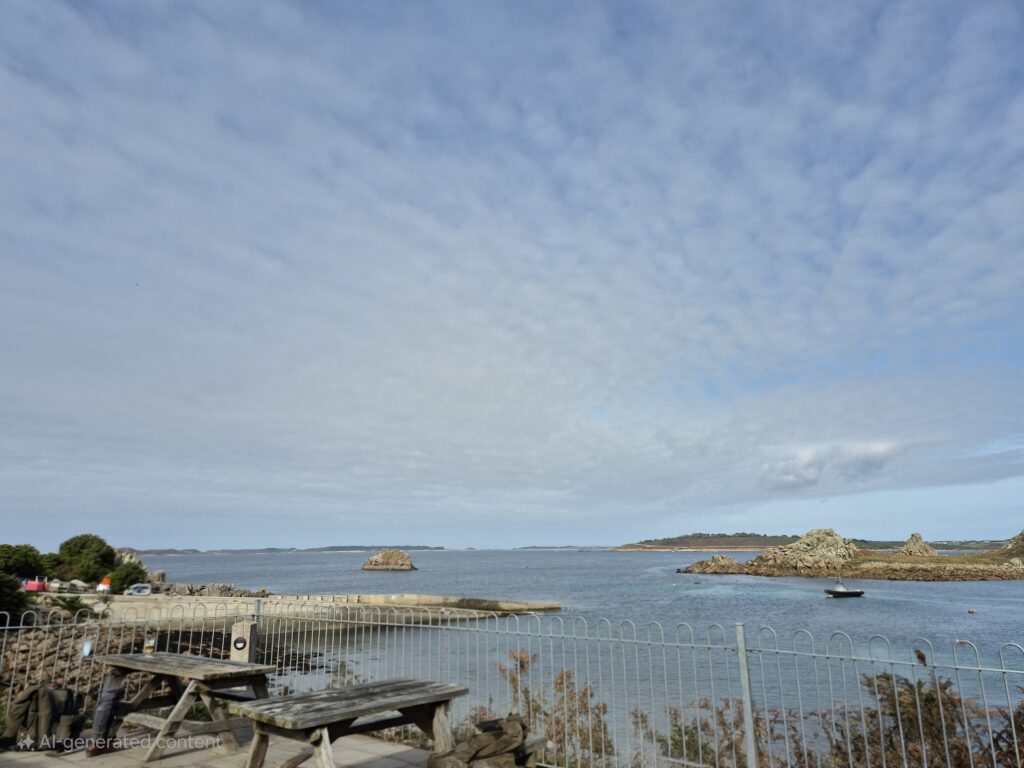
A few of the group had stayed on St Mary’s and were rewarded with great views of the ROSY STARLING in Old Town. Otherwise a very frustrating day!
DAY FOUR
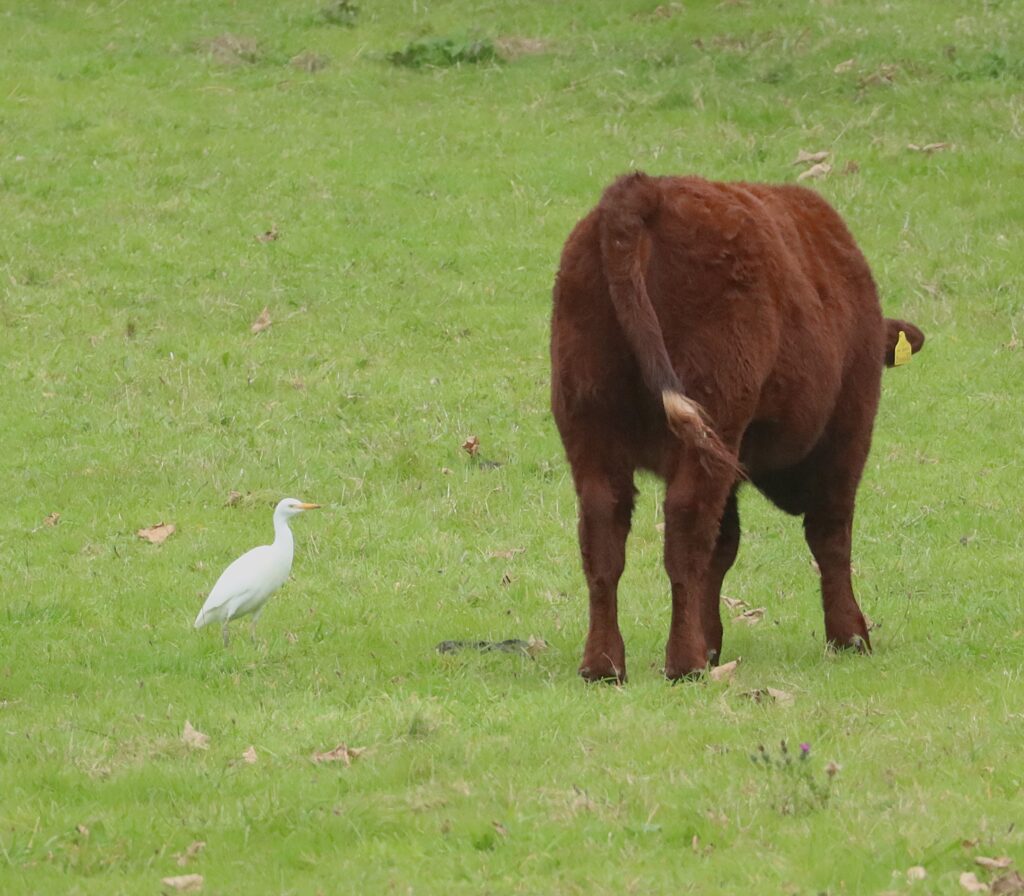
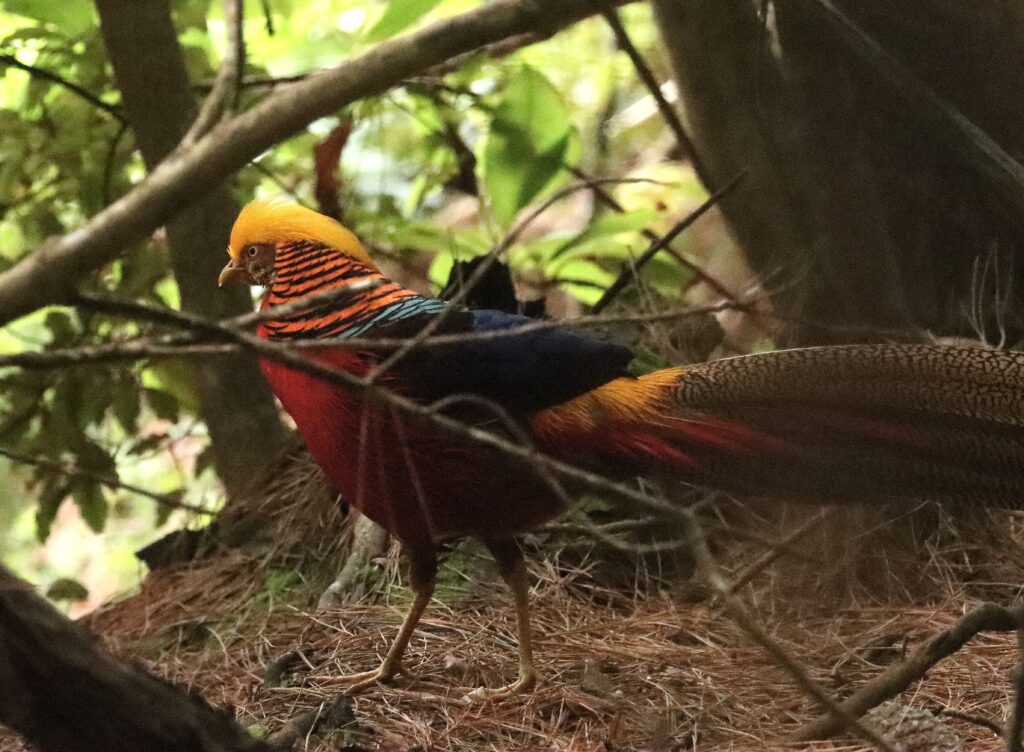
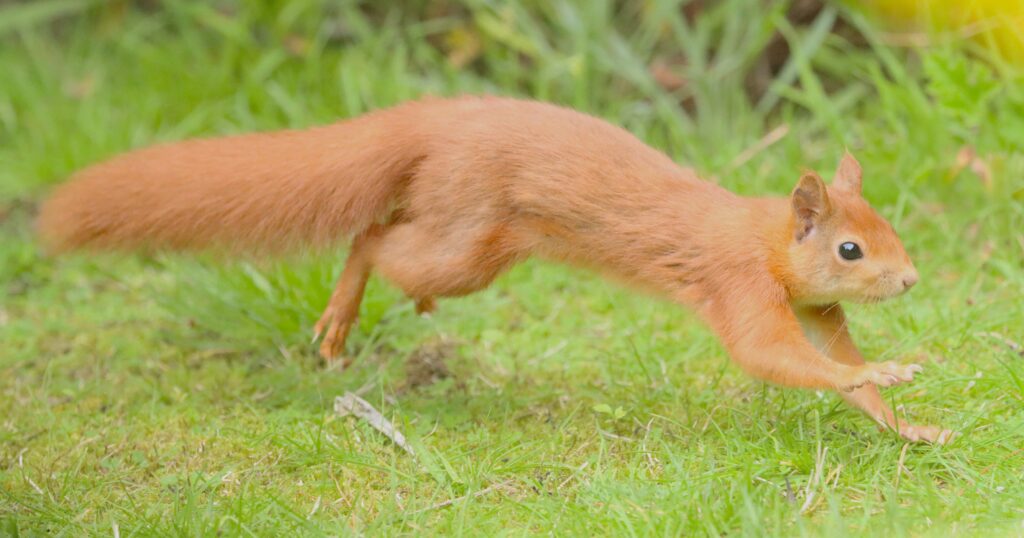
Another day ‘off island’ with a trip to Tresco and an agreement that we would not be chasing the Mourning Dove if news broke again. We got onto Tresco at Carn Near and scanned the bay off South Beach locating the BLACK-NECKED GREBE distantly offshore. Scoping the Tresco Channel produced our first (and only) Shelducks and a few common waders incuding Greenshank, Redshank and Curlew. A couple of RED SQUIRRELS provided some entertainment during a quick toilet stop at the Abbey Gardens and three more Firecrests showed really well at the east end of the Abbey. The feral population of GOLDEN PHEASANTS on Tresco are always a group pleaser and today was no exception with five males and a female in the pines to the north of the gardens. A couple of CATTLE EGRETS were added to the list before lunch, feeding amongst cattle to the north of Great Pool. After lunch two of the group decided to go into the Abbey Gardens whilst the rest of us walked around to the hides at Great Pool. The incoming tide pushed twenty Greenshank onto the pool and a showy WATER RAIL made its way along the reed edge. The ducks on the lake were very mobile due to some on-going ecology work on the water but we managed to add Little Grebe, Pochard, Wigeon, Gadwall and Coot to our list.
During the afternoon, news filtered out that the Mourning Dove was pinned own to a small farmyard at Lower Town Farm on St Agnes…………..
DAY FIVE
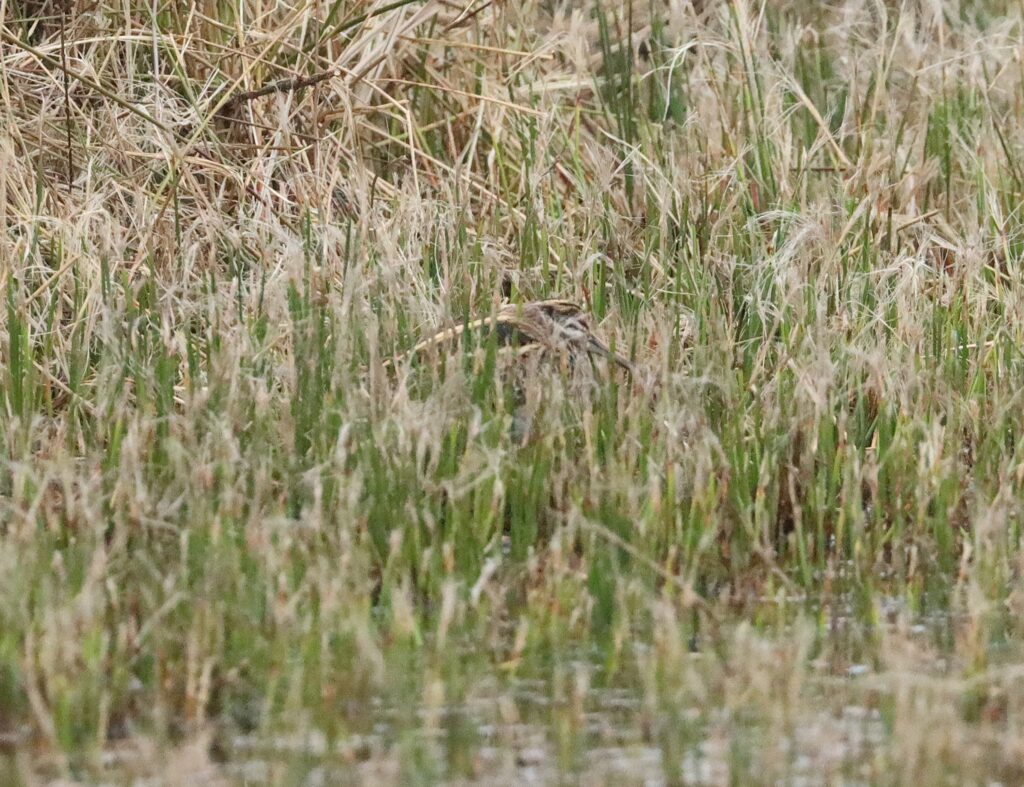
No prizes for guessing where we were headed again today!! Birding the Scillies at this time of year is ALL about seeing the rare birds the islands provide and having seen all the other highlights on the islands in the last few days, we werent going to ,iss out on ‘The Biggie’! The boat to St Agnes wasnt until 10.15am so some of the group headed out before hand to see the JACK SNIPES at Lower Moors. Both showed really well, as did another WATER RAIL. At 10.15am we headed out on another full boat full of hope that we would finally put our nemesis bird to bed!
Off the boat and we were soon joining a small organised crowd in specially arranged area at Lower Town Farm. After what seemed like an age, someone found the bird sat on a wall but frustratingly it moved back into the pittisporum bushes! Eventually it gave itself up and performing beautifully for the now elated crowd of birders! MOURNING DOVE was on our list!
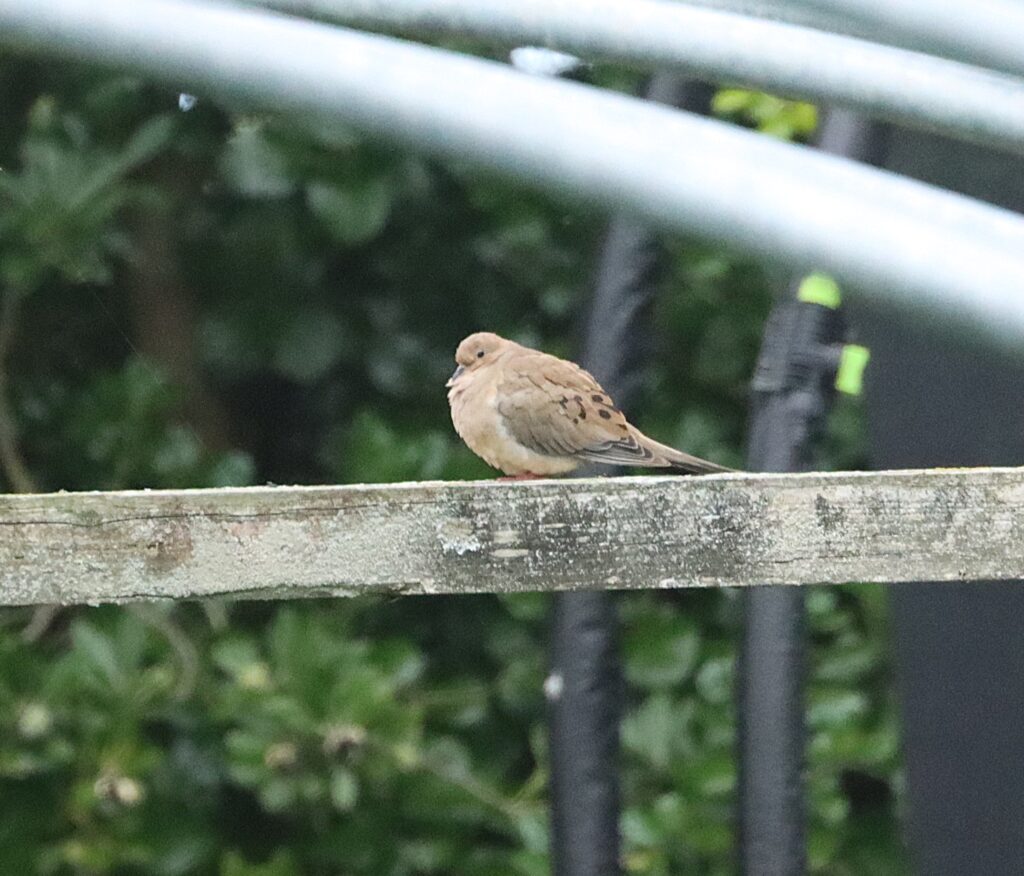
Mourning Doves are one of the commonest breeding species across North America; many are resident, but more northerly populations migrate south in winter. There are four previous occurrences in Britain, with a further three in Ireland and a single record from the Isle of Man. All but two of these have come since 2007. (per Birdguides)
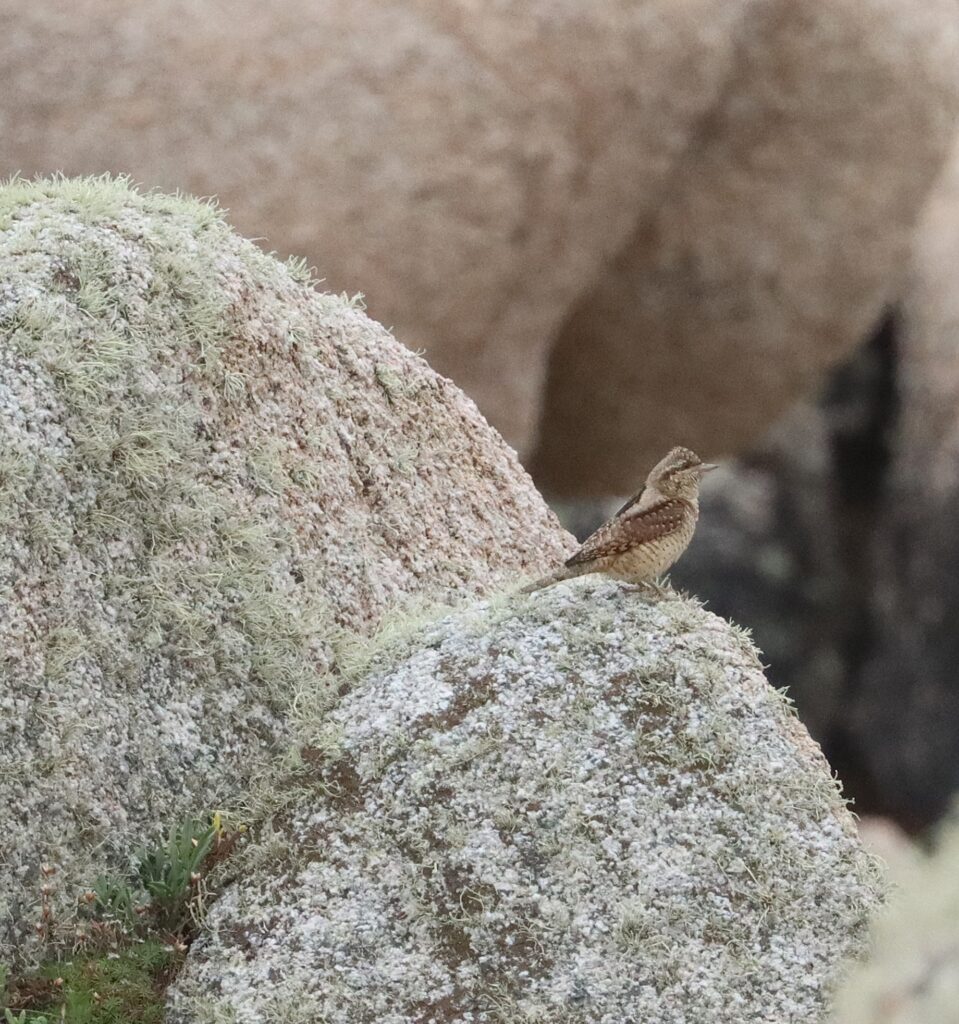
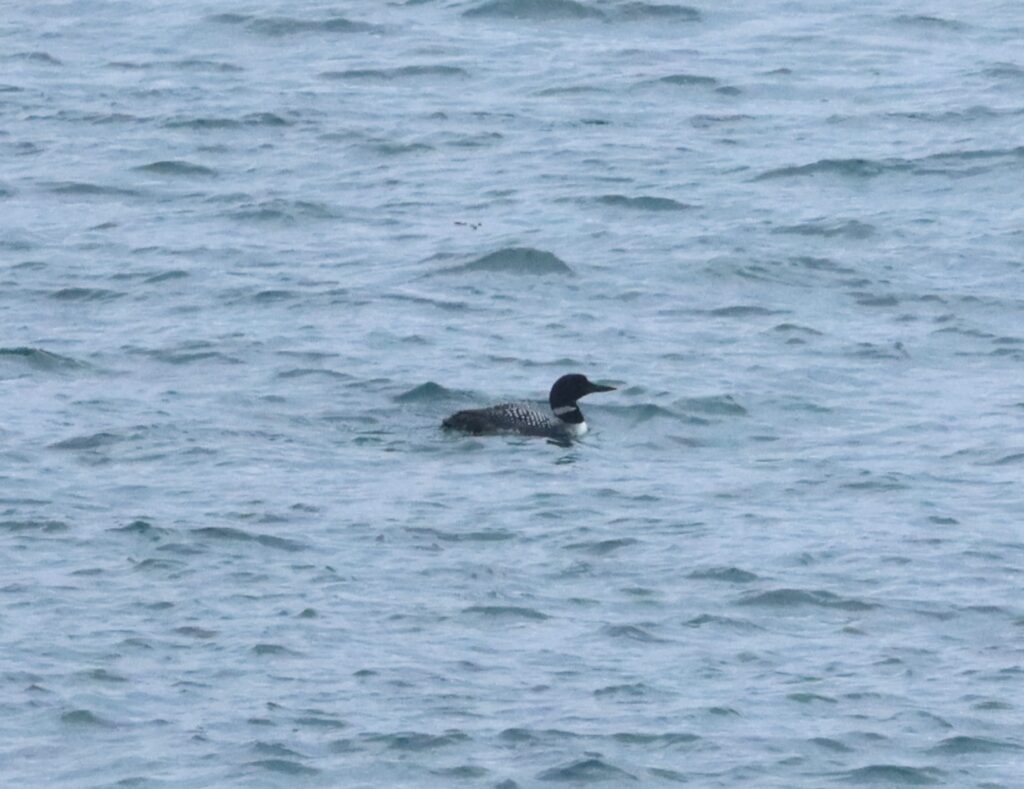
We caught the early boat back to St Mary’s and after dropping off our day bags at the Hotel we headed up to Peninnis Head. After a short search with other birders the WRYNECK was located on rocks below the lighthouse. It wasnt as obliging as last years bird and at the same location but sat up long enough fro everyone to see it. A stunning summer plumaged GREAT NORTHERN DIVER was just offshore here too.
DAY SIX
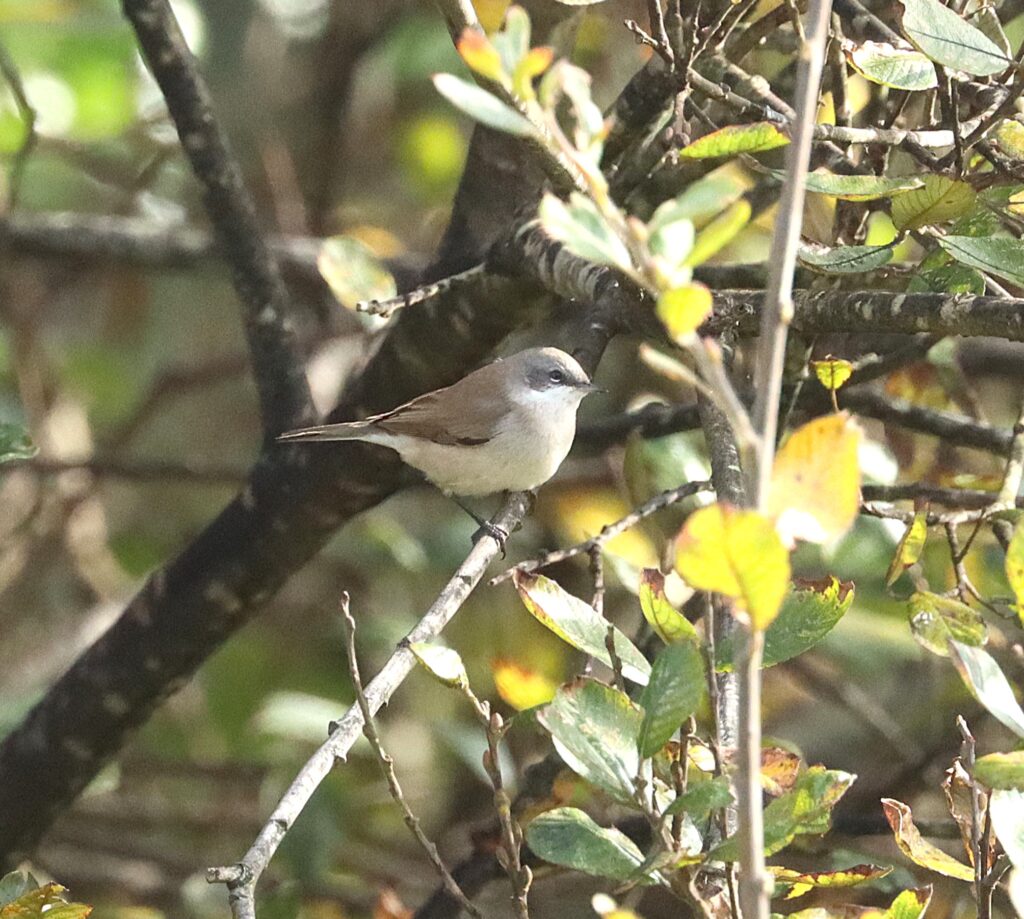
Our final day on the Islands and after a hearty breakfast (same as every other morning!) we headed out with a good walk across to Porthloo, up to Telegraph, down to Newford Duckpond then back towards Old Town and Lower Moors, stopping for a wonderful coffee and cakes at Longstones Cafe. Birds were a bit thin on the ground but we had good view of a LESSER WHITETHROAT in Standing Stones Field and very brief views of the ROSY STARLING again. We finished the day off with cheesy chips and a pint at The Atlantic while we waited for the Scillonian home.

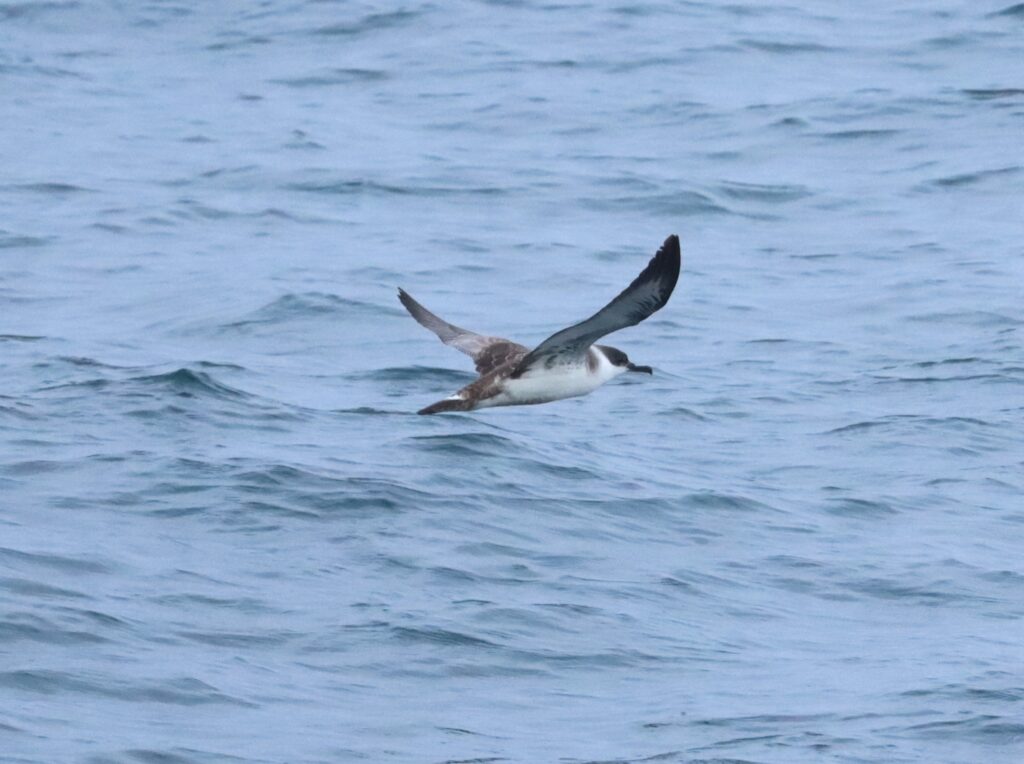
The journey back was fantastic! Two PUFFINS were only seen by our guide but we enjoyed over 350 GREAT SHEARWATERS with a few SOOTY and MANX SHEARWATERS!
Another fantastic week on Scilly with some truly rare birds! We saw 105 species in all. Thanks to a great group of guests and also to our hosts at The Bell Rock Hotel who were fantastic once again.
FULL BIRD LIST
Great Northern Diver, Little Grebe, BLACK-NECKED GREBE, Cory’s Shearwater, Great Shearwater, Sooty Shearwater, Manx Shearwater, European Storm Petrel (go), Gannet, Cormorant, Shag, CATTLE EGRET, Little Egret, Grey Heron, SPOONBILL (go), Mute Swan, PINK-FOOTED GOOSE, Canada Goose, Shelduck, Wigeon, Gadwall, Teal, Mallard, Pochard, Marsh Harrier, Sparrowhawk, Kestrel, Merlin, Peregrine, Pheasant, Golden Pheasant, Water Rail, Moorhen, Coot, Oystercatcher, Ringed Plover, Sanderling, CURLEW SANDPIPER, Dunlin, RUFF, JACK SNIPE, Common Snipe, Curlew Redshank, Greenshank, Common Sandpiper, SPOTTED SANDPIPER, Turnstone, WILSON’S PHALAROPE, Arctic Skua, Great Skua, Mediterranean Gull, Black-headed Gull, Lesser Black-backed Gull, Herring Gull, Great Black-backed Gull, Kittiwake, Sandwich Tern, Guillemot, Razorbill, Puffin (go), Stock Dove, Woodpigeon, Collared Dove, TURTLE DOVE, *MOURNING DOVE*, Kingfisher, WRYNECK, Skylark, Swallow, Meadow Pipit, Rock Pipit, AMERICAN PIPIT, Yellow Wagtail, Grey Wagtail, Pied Wagtail, Wren, Dunnock, Robin, Stonechat, Wheatear, Blackbird, Song Thrush, Cetti’s Warbler, LESSER WHITETHROAT, Blackcap, Chiffchaff, Goldcrest, FIRECREST, SPOTTED FLYCATCHER, PIED FLYCATCHER, Blue Tit, Great Tit, Carrion Crow, Raven, Starling, ROSY STARLING, House Sparrow, Chaffinch, Greenfinch, Goldfinch, Siskin, Linnet, COMMON ROSEFINCH, LAPLAND BUNTING.